ITGen Feline H.pylori Antigen Rapid Test
The ITGen Feline H.pylori Antigen Rapid Test for cats is a rapid on-site diagnostic product based on colloidal gold immunochromatography technology. By coating specific antibodies on a test strip, when the Helicobacter pylori antigen in the cat fecal sample binds to the colloidal gold-labeled antibody, an immune complex is formed that moves along the chromat
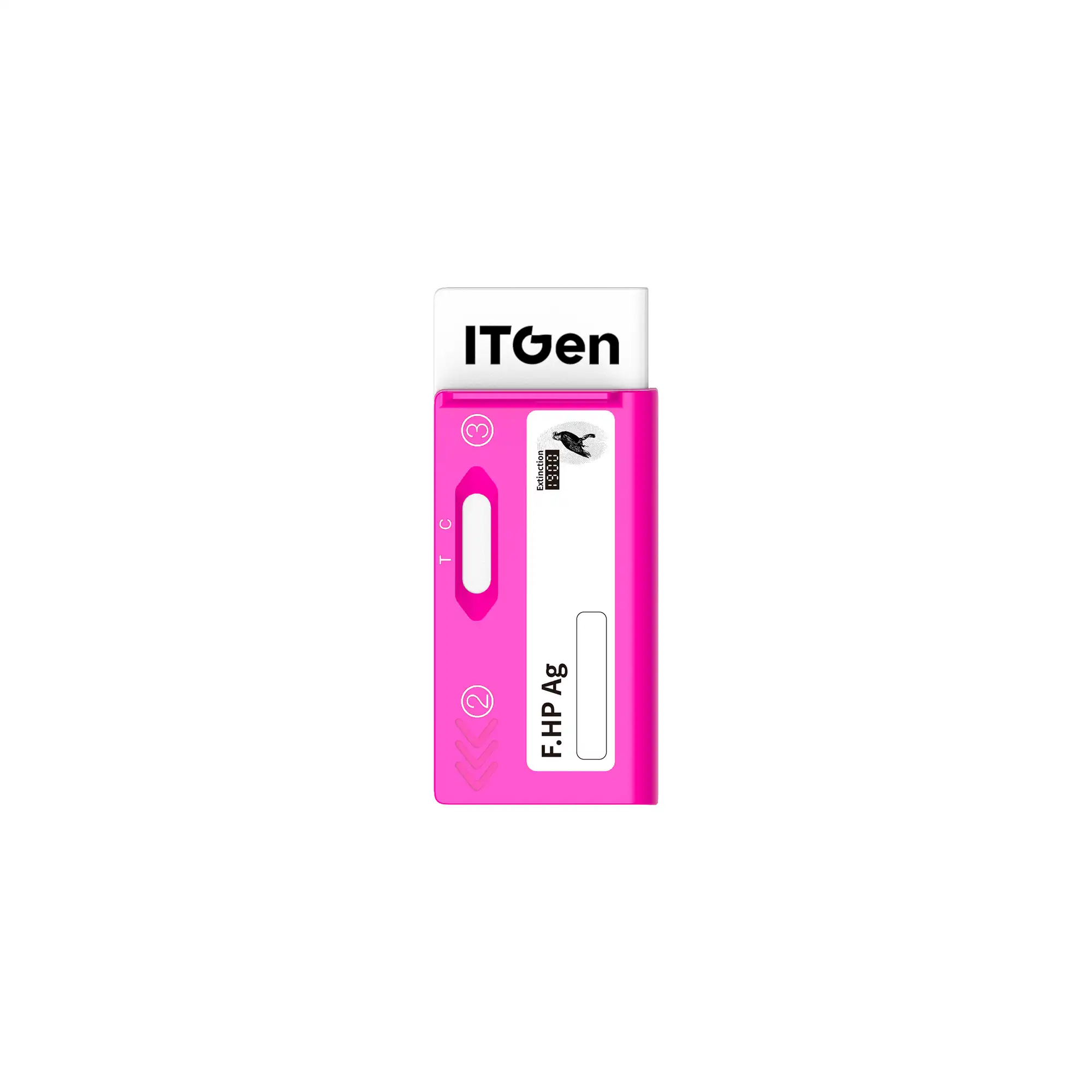
Product Parameters Production Name ITGen Feline H.pylori Antigen Rapid Test Target Analyte Feline H.pylori Antigen Specimen Type fresh feces or rectal swab sample Storage Temperature 4-30°C Result Time 5-10 Minutes Packaging Individually Sealed Tests Packaging Specification 10T Shelf Life Up to Expiration Date Indicated on Package Product Specifications Sensitivity 97.97% Accuracy 96.82% Format Cassette Detection Method Chromatographic Immunoassay/Lateral Flow Immunoassay Specificity 96.97% Reading Time 5-10 Minutes Usage Veterinary Diagnostics Contents Contents Number Test device 1 Swab 1 Buffer tube 1 Package insert 1 Description This method does not rely on laboratory equipment and is suitable for animal hospitals, pet clinics, and home pet care at all levels.
It can complete the test in minutes and is particularly suitable for the rapid diagnosis and monitoring of non-specific gastrointestinal symptoms such as Helicobacter pylori-related chronic gastritis, recurrent vomiting, and loss of appetite, facilitating early intervention and treatment.
In recent years, the research on Helicobacter pylori co-infection has received increasing attention, especially in cats with decreased immunity or long-term gastrointestinal dysfunction, where the detection rate has increased year by year.
Traditional detection methods such as culture or PCR have high technical barriers, long time periods, and complex sample processing, which limit their application in routine veterinary diagnosis and treatment.
Helicobacter pylori infection can trigger chronic gastric mucosal inflammation, cell apoptosis, and gastric acid imbalance, leading to long-term damage to gastric structure, mucosal erosion, and even ulcers. It also carries a certain degree of infectious risk, necessitating early detection and timely intervention.
Need pricing, samples or distributor terms?
Send your market, target product and quantity. We will reply by email.